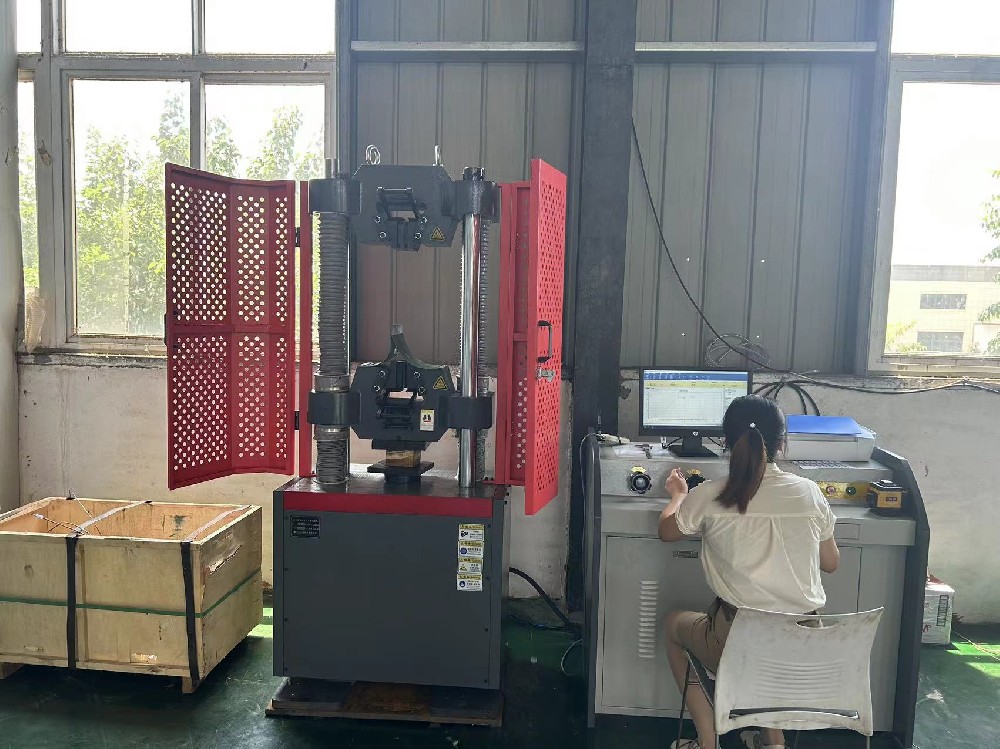
Tensile testing machine, also known as tension tester, is a key tool in materials testing laboratories. It is designed to evaluate the mechanical properties of materials by applying controlled tensile force. This machine can measure parameters such as tensile strength, yield strength, elongation and elastic modulus of materials.
Main features:
Force application: Apply tensile force to the material until it fractures.
Load sensor: Accurately measure the applied force.
Sample clamping: Ensure that the sample is firmly clamped during the test to avoid sliding.
Application fields:
Quality control: Ensure that materials meet the required specifications.
Research and development: Evaluate new materials and designs.
Failure analysis: Explore the reasons for the failure of materials under tensile stress.
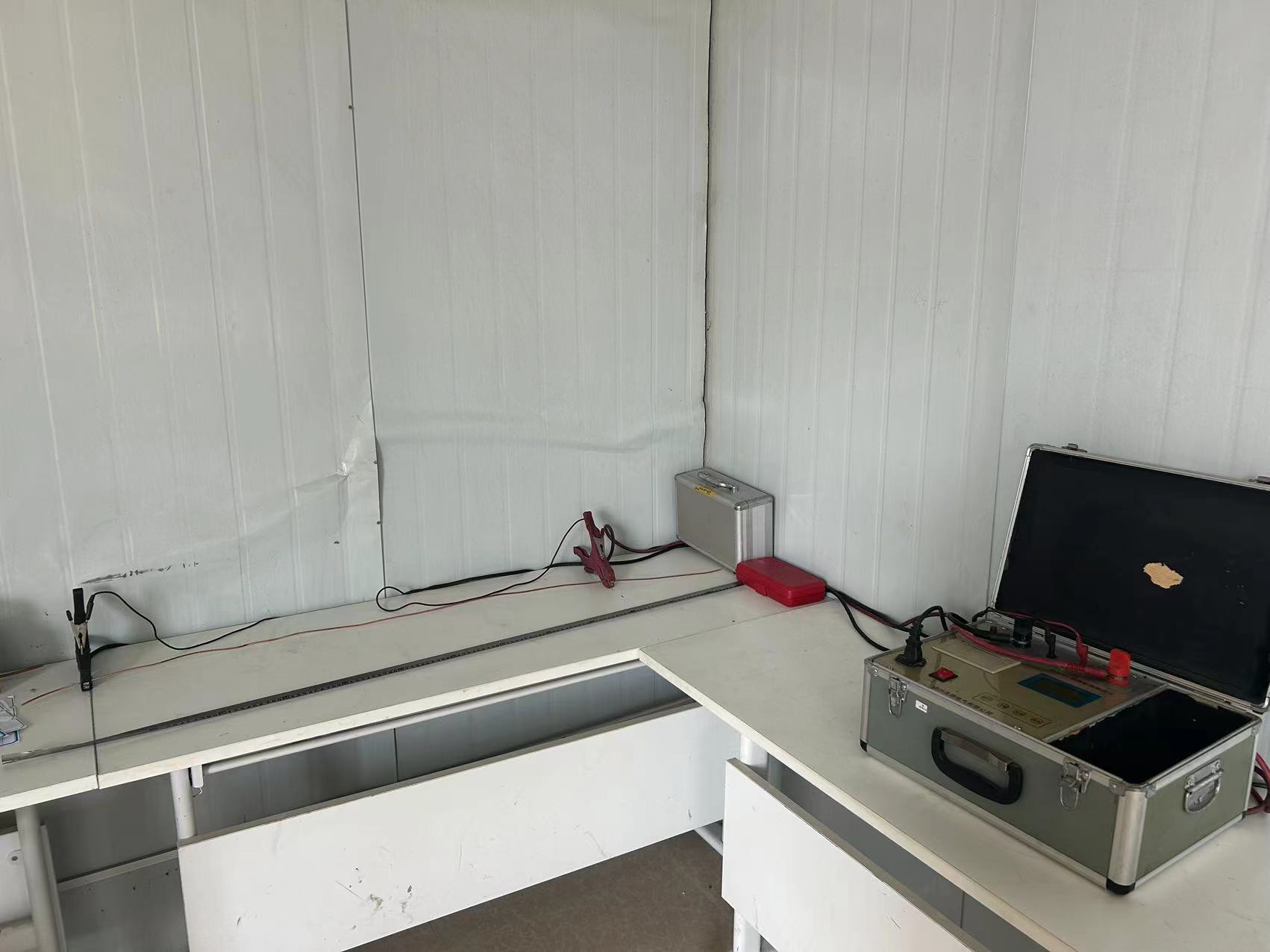
Loop Resistance Tester
The loop resistance tester, often referred to as a multimeter or ohmmeter, is an important tool for evaluating the resistance within a circuit. It measures the resistance, voltage, and current flow in a circuit to verify the normal operation of the circuit and diagnose faults.
Main features:
Resistance measurement: Determine the resistance of circuit components.
Voltage measurement: Check the voltage level between circuit components.
Continuity test: Verify the existence of a complete path for current flow.
Diode test: Evaluate the functionality of diodes in the circuit.
Application fields:
Electronic testing: Check circuit integrity and component functionality.
Troubleshooting: Locate faults such as open circuits or short circuits.
Maintenance: Ensure that the circuit operates normally within the specified parameters.